
Meal Prep Essentials
Master the fundamentals of meal preparation and build a sustainable healthy eating routine. Learn the key strategies that transform your relationship with food and wellness.
The information on this site is for educational purposes only and does not constitute medical advice. Always consult a qualified healthcare professional before making health decisions.
Five Core Pillars of Meal Prep
Planning
Create a weekly meal plan based on your preferences and schedule. Decide which recipes you'll prepare, estimate portions, and map out your shopping list before you hit the store.
Shopping
Purchase fresh, whole ingredients aligned with your meal plan. Buy seasonal produce when possible, check expiration dates, and organize your groceries by category to streamline prep work.
Cooking
Prepare proteins, grains, and vegetables in batches using efficient cooking methods. Focus on simple techniques that preserve nutrients and flavor while saving time during the week.
Storage
Store prepped meals in airtight containers and label them with dates. Use proper refrigeration to maintain freshness and safety throughout the week.
Why Meal Prep Works
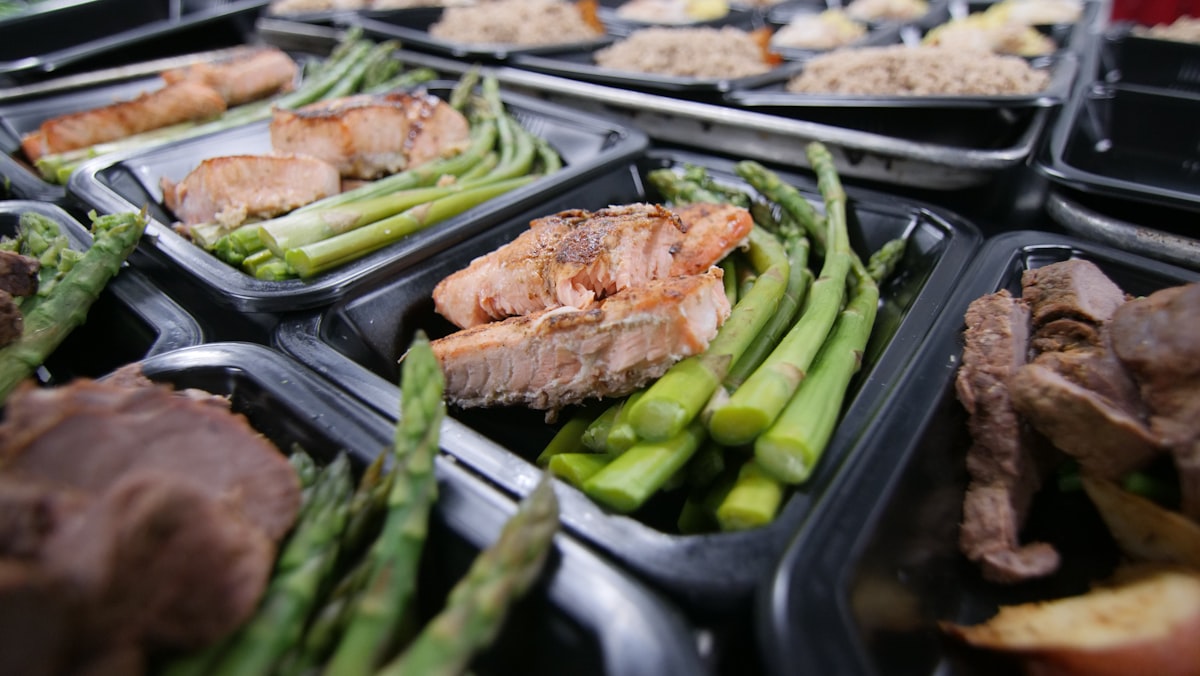
Build Consistency Into Your Week
Meal prep eliminates daily decision-making around what to eat. When your meals are ready, you're more likely to stick with your chosen recipes rather than reaching for convenient but less nourishing options. This consistency compounds over weeks and months into real behavioral change.
Save Time and Reduce Stress
By batching cooking into a dedicated 2-3 hour session once per week, you eliminate the need to cook every single day. This frees up mental energy and actual time during busy weekdays, making it easier to focus on work, family, and rest.
Control Ingredients and Portions
When you prepare your own food, you know exactly what goes into every bite. You choose the quality of ingredients, adjust seasonings to your taste, and portion meals according to your actual needs rather than restaurant serving sizes.
Six Key Features of Successful Meal Prep
Simple Recipes
Choose recipes with minimal ingredients and straightforward steps. Complex cooking techniques can overwhelm beginners and waste time. Start with basic preparations that you can master before expanding your repertoire.
Variety Within Structure
Plan 3-4 different protein and vegetable combinations per week. This prevents boredom while keeping the number of ingredients manageable. You're aiming for variety in nutrition, not restaurant-level diversity.
Quality Containers
Invest in durable, stackable glass or BPA-free plastic containers with secure lids. Quality containers keep food fresher longer, stack efficiently in your fridge, and make it easy to grab meals when you're busy.
Proper Cooling
Allow cooked food to cool to room temperature before storing. Hot food creates condensation in containers and raises fridge temperature. Spread items on sheet pans or let them sit for 20-30 minutes before portioning.
Smart Labeling
Write the date and contents on every container using waterproof labels or tape. This simple practice prevents food waste, helps you rotate meals properly, and makes it clear what you're eating at a glance.
Realistic Timelines
Most meals stay fresh for 3-4 days in the fridge. Plan your prep schedule so meals are consumed at peak quality. Freeze portions you won't eat within this window rather than letting them spoil.
Transform Your Eating Habits in Four Weeks
Foundation
Choose one simple recipe, shop for ingredients, and complete your first prep session. Start small—prepare just 2-3 meals to build confidence without overwhelming yourself.
Expansion
Add a second protein and vegetable option. Your second prep session should feel more comfortable. Notice what worked last week and adjust quantities or seasonings based on your preferences.
Refinement
Fine-tune portion sizes and cooking times. Introduce a grain or healthy carbohydrate to round out your meals. You should now have a basic system that works for your lifestyle.
Sustainability
Establish your weekly rhythm and default meal combinations. By now, meal prep should feel routine rather than novel. You're ready to maintain this practice long-term.
Essential Tools for Your Meal Prep Kitchen
Sharp Chef's Knife
A quality 8-inch chef's knife is your most important tool. It makes chopping vegetables faster and safer than a dull blade. A sharp knife reduces prep time by half and requires less force, making the work less tiring.
Meal Prep Containers
Glass containers with locking lids are ideal. They're durable, microwave-safe, and won't absorb odors or stains like plastic. Buy a set of 8-10 containers in 2-3 sizes to handle different portion needs.
Large Cooking Vessels
Invest in a large Dutch oven or stockpot (6+ quarts) for batching grains and proteins. A sheet pan for roasting vegetables at scale is equally essential. These items let you cook for the entire week in one session.
Cutting Board
Use a large wood or plastic cutting board that's easy to clean. At least 18x24 inches gives you room to work efficiently. Keep a dedicated board for vegetables and proteins to maintain organization and hygiene.
Kitchen Scale
A digital scale helps you portion meals consistently and track how much you're actually eating. Knowing exact portion sizes removes guesswork and helps you understand how food volume relates to your needs.
Labels and Markers
Waterproof labels and permanent markers are essential for dating your containers. Masking tape also works well. Proper labeling prevents food waste and removes confusion about what's in each container.
Frequently Asked Questions
How much time does meal prep actually take?
Most people complete a full week of meal prep in 2-3 hours. This includes planning, shopping, cooking, and storing. The time decreases as you gain experience and develop a routine. Many people find it worthwhile compared to the time saved cooking daily.
Can I prep meals for the entire month?
No—most refrigerated meals stay fresh for 3-4 days. You can freeze portions for later, but thawing and reheating changes texture and nutritional quality. Weekly or twice-weekly prep is the standard approach for maximum freshness and food safety.
Do I need to cook everything on one day?
Not necessarily. Some people prefer to prep on Sunday and Wednesday, splitting the workload. Others do one large session. Choose what fits your schedule. The key is having meals ready before the week gets busy—the exact timing matters less than consistency.
How do I prevent meals from getting boring?
Rotate proteins and vegetables weekly. The same chicken breast tastes different with different seasonings and sides. Keep spices, sauces, and dressings on hand to change flavors without cooking different base ingredients. Variety in toppings beats variety in cooking methods.
What about people with dietary preferences?
Meal prep works for any dietary approach—omnivore, vegetarian, vegan, or otherwise. Simply plan recipes that align with your preferences. The fundamentals remain the same: cook in batches, store properly, and rotate ingredients. Your choices remain fully yours.
Can I prep without a fancy kitchen setup?
Absolutely. You need a knife, cutting board, one large pot or pan, containers, and a fridge. Fancy equipment helps but isn't required. Start with what you have and upgrade based on what you actually need after your first few weeks of practice.
Get Expert Meal Prep Guidance
Ready to transform your eating habits? Our articles and guides provide step-by-step instruction for every aspect of meal preparation—from shopping strategies to advanced techniques.
Discover recipes designed for batch cooking, storage tips from experienced food professionals, and real strategies that work for busy schedules.
Read Our ArticlesSubscribe for New Content
Get notified when we publish new meal prep guides, cooking techniques, and practical strategies for healthy living.
We respect your privacy. Unsubscribe anytime.
What Our Readers Say
"I started meal prepping three months ago following the step-by-step guides on this site. The process is straightforward, and the time savings are real. I went from eating takeout four times a week to having healthy meals ready every single day. The articles helped me understand why each step matters, not just how to do them."
Sarah M.
Berlin, Germany
"As someone with a busy schedule, I was skeptical about meal prep. But the realistic timelines and equipment suggestions made it achievable for me. I now spend Sunday afternoon cooking once per week and have fresh meals ready for five days. The FAQ section answered every concern I had before starting."
Marcus L.
Munich, Germany
Start Your Meal Prep Journey
You now understand the foundations of meal preparation and have the tools to begin. The only remaining step is taking action. Choose one simple recipe this week, make your shopping list, and experience firsthand how meal prep transforms your daily routine.
Our complete article library is here to guide you through every step. Return whenever you need advice, recipes, or motivation. This is an ongoing resource for your healthy living journey.
Browse Our FAQ